
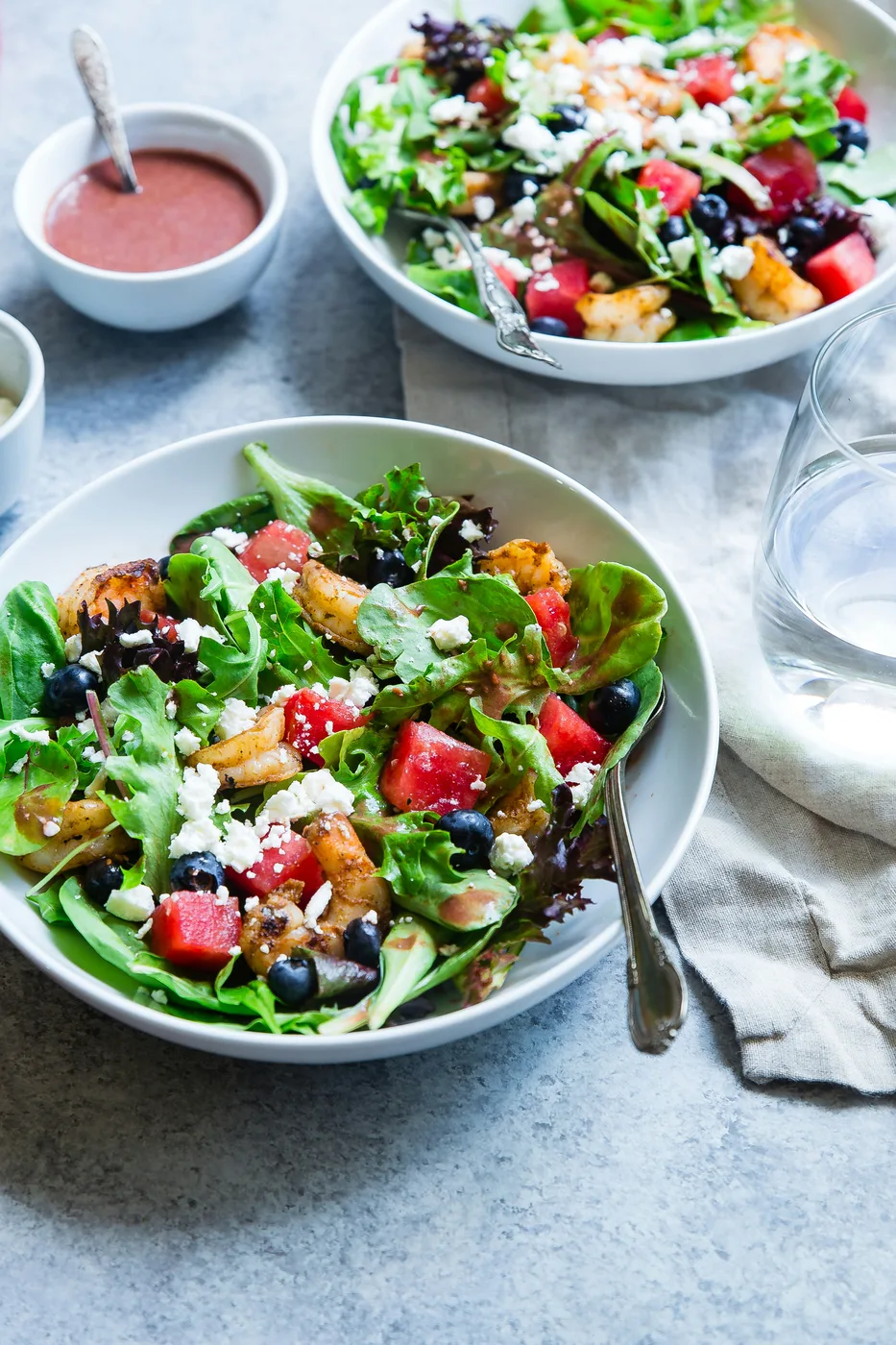
Eating more fruit and vegetables can begin with small changes to meals you already know. There is no need to replace your whole routine or make every plate look the same. Fresh, frozen and prepared options can each be useful, depending on storage, cost, time and the type of meal. The aim is to make colourful food easier to notice, choose and enjoy across the week.
Begin with Foods You Already Enjoy
A familiar starting point removes unnecessary pressure. List a few fruits and vegetables that already appear in your shopping or meals, then consider where one of them could be used more often. Tomatoes may work in sandwiches, apples can sit beside breakfast, frozen peas can go into rice, and carrots can be served raw or cooked.
After the familiar choices feel easy, try a different colour, texture or preparation method. Roasting, grating, blending, steaming and serving raw can change how an ingredient fits the day. The goal is curiosity and variety, not forcing yourself to enjoy every option.
Add Colour to Breakfast
Breakfast can be a simple place to include fruit. Berries can be added to yoghurt or oats, a banana can be served with toast, and chopped apple can add crunch to cereal. Savoury breakfasts can include tomatoes, mushrooms, spinach or leftover vegetables.
Keep the change small enough to repeat. Washing fruit in advance or keeping frozen berries available may reduce preparation. A balanced breakfast does not need many ingredients; one colourful addition can make a familiar meal more varied.
Make Lunch More Varied
Lunch often benefits from an extra vegetable that adds texture. Add salad leaves to a sandwich, include cucumber and peppers beside a wrap, stir vegetables into soup, or use leftover roasted vegetables in a grain bowl. Fruit can be packed separately when that feels more practical.
Meal planning can focus on components rather than complete recipes. Preparing one tray of vegetables or opening a tin of beans can create several lunch combinations. This approach supports balanced eating without requiring a different elaborate dish each day.
Use Convenient Options
Convenience is part of a realistic routine. Frozen vegetables, tinned tomatoes, prepared salad, fruit in suitable formats and pre-cut vegetables can all reduce time. One format is not universally superior; the useful choice is the one that can be stored, prepared and eaten in your circumstances.
Read labels when a prepared option includes sauces or other additions, then decide whether it fits the meal you are making. Keeping a mixture of long-life and fresh ingredients can make the kitchen more adaptable when plans change.
Create Simple Snack Pairings
Fruit or vegetables can be paired with another familiar food to create a more satisfying snack. Try an apple with yoghurt, berries with oats, vegetable sticks with hummus, or tomatoes with toast. Choose combinations that match your appetite and the time until your next meal.
A snack does not need to follow a fixed formula. The useful habit is to make colourful options visible and easy to reach. A bowl of fruit, washed vegetables or a prepared container in the fridge can make the next choice simpler.
Focus on Variety Across the Week
Variety does not have to happen in a single day. Notice the colours and types that appear across several meals. You might use frozen spinach in one dish, carrots in another, berries at breakfast and apples as snacks. Seasonal availability, preferences and cultural food habits will naturally shape the pattern.
A weekly view can feel calmer than daily perfection. Add one different item to the next shop, rotate a familiar vegetable, or use fruit in a new meal. These small adjustments can support practical nutrition and a more varied diet over time.
Practical Checklist
- Choose two fruits and two vegetables you already enjoy.
- Add one colourful ingredient to breakfast.
- Keep one frozen or long-life option available.
- Pair a fruit or vegetable with a familiar snack food.
- Notice variety across the week without scoring individual meals.
Common questions
Frequently Asked Questions
No. Fresh, frozen and prepared options can all be useful. Choose according to the meal, storage, cost and time available.
Begin with that range and vary the way it is served. New choices can be introduced gradually without removing familiar food.
Plan where an ingredient may be used, freeze suitable leftovers, and choose prepared or frozen formats when they better match your routine.