
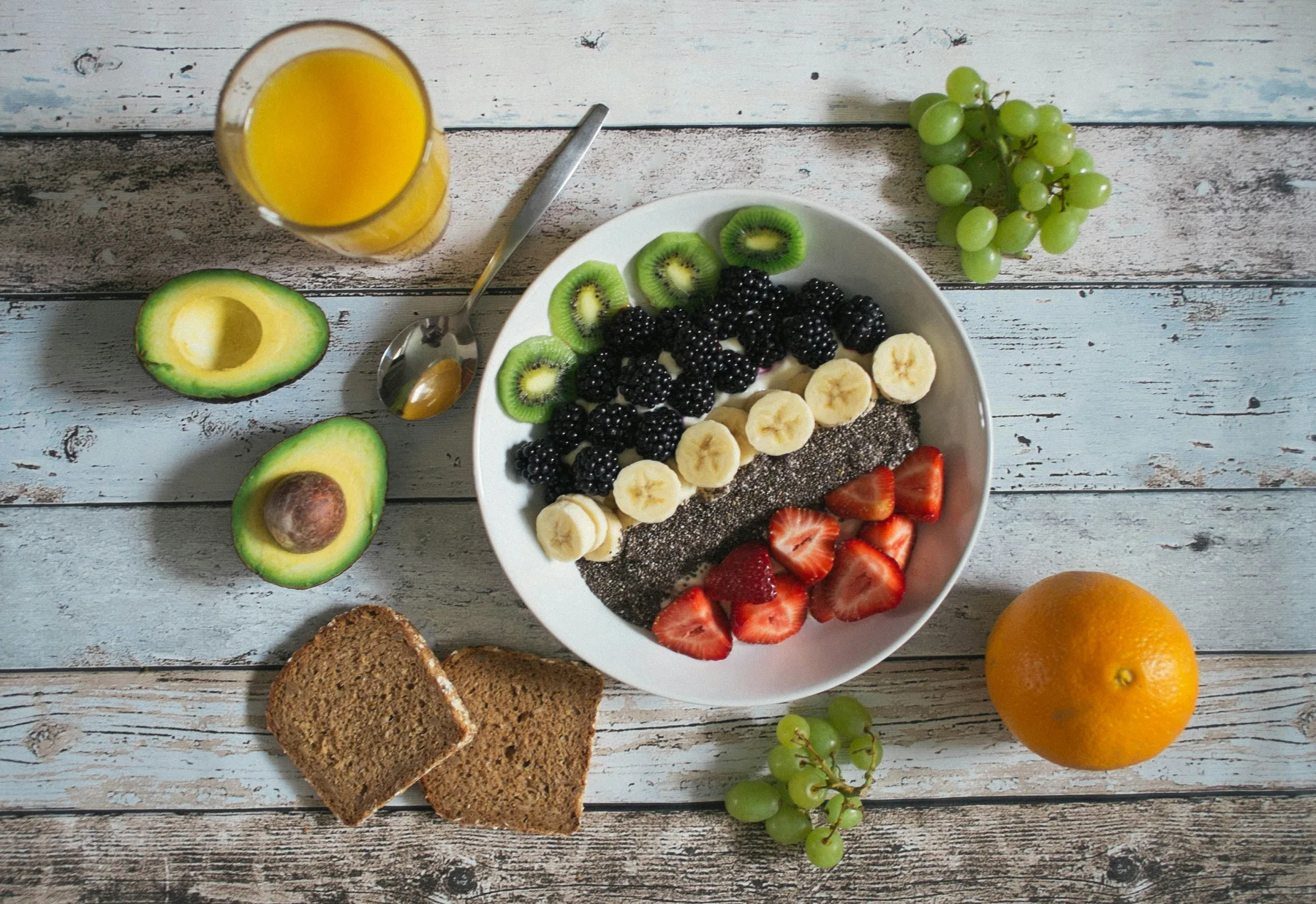
A balanced plate is not a strict diagram that every meal must copy. It is a flexible way to notice variety and build satisfying food around what is available, familiar and enjoyable. The mix can change with your preferences, culture, schedule, appetite and the ingredients already in your kitchen. Thinking in broad components can make meal planning calmer while leaving room for different cuisines, budgets and routines.
What a Balanced Plate Can Look Like
A practical plate often includes several food groups rather than one ingredient doing all the work. Vegetables or fruit can bring colour, texture and freshness. Protein-rich foods can make a meal feel substantial. Potatoes, rice, pasta, bread, oats and other grains can provide a familiar base. Herbs, spices, sauces, seeds and oils can connect the parts and make the meal enjoyable. This is a guide, not a test. A soup, sandwich, curry, traybake or bowl can still reflect the same balanced eating idea even when the components are mixed together.
Try looking at the meal as a whole. A lentil soup with bread and fruit, a vegetable omelette with potatoes, or rice with beans and a tomato salad can each offer useful variety. Nutritionists may explain plates in different ways, but the everyday purpose is similar: make room for several kinds of food without turning eating into a complicated calculation.
Start with Fruit and Vegetables
Choose colours and textures that fit the meal. Fresh salad leaves may suit a quick lunch, frozen peas can be stirred into rice, and prepared vegetables can shorten the work on a busy evening. Fruit can sit alongside breakfast, become part of a snack or add contrast to savoury dishes. No single colour or format needs to appear every time.
A practical option is to begin with one vegetable you know you will eat, then add another when it is convenient. Over a week, changing between leafy vegetables, roots, peppers, tomatoes, berries, apples, citrus fruit and other choices can create more variety than trying to make one plate contain everything.
Add a Protein-Rich Food
Beans, lentils, eggs, fish, poultry, yoghurt, tofu and other familiar choices can all contribute to a satisfying meal. The best option depends on the dish, your preferences and what is available. Beans may suit a tomato stew, eggs can work in a quick lunch, yoghurt can be part of breakfast, and tofu can absorb the flavours of a stir-fry.
Keep a few flexible options within reach. Tinned beans, eggs, lentils or plain yoghurt can make meal planning easier because they work across several dishes. Choosing a mix across the week can support food variety without requiring a complicated menu.
Choose a Carbohydrate Food
Carbohydrate foods are a normal part of everyday meals. Potatoes, rice, pasta, bread, oats and grains can provide structure and familiarity. Choose what suits the recipe, the time available and your appetite. A busy lunch may use bread, while a weekend dinner may include roasted potatoes or a grain that takes longer to cook.
There is no need to use the same portion or format at every meal. Notice how the complete plate feels, including satisfaction and practical needs for the day. Pairing a carbohydrate base with vegetables and a protein-rich food often creates a meal that is easier to repeat than a highly restrictive diet rule.
Make the Meal Enjoyable
Balanced eating is easier to maintain when food tastes good. Herbs, spices, dressings, sauces, seeds and oils can add contrast and character. Crunchy toppings, a squeeze of citrus, a spoonful of yoghurt or a familiar condiment may make simple vegetables, grains and beans feel more complete.
Enjoyment also comes from temperature, texture and presentation. A warm bowl may be appealing on a cold day, while a crisp salad may suit summer. Using leftovers in a different format can keep food habits interesting and reduce the pressure to prepare every meal from the beginning.
Keep the Approach Flexible
Meals can differ because life differs. Culture, family routines, work patterns, sport, appetite, budget and available ingredients all shape everyday food choices. A balanced plate is therefore a prompt to include variety, not a demand for identical meals. Some plates will have separate components; others will be mixed dishes where the balance is visible across the ingredients.
Review patterns over several meals rather than judging one plate. Small, repeatable choices can be easier to maintain than trying to follow a perfect plan. When a meal is simpler than usual, the next meal can bring a different mix. That flexibility is part of a realistic approach to nutrition and weight management.
Practical Checklist
- Add at least one fruit or vegetable that fits the meal.
- Choose a familiar protein-rich food.
- Include a carbohydrate food that suits your appetite and routine.
- Use flavour, texture and colour to make the meal enjoyable.
- Check the overall pattern across the day rather than expecting perfection.
Common questions
Frequently Asked Questions
No. The structure is a flexible guide. Some meals will be simpler, while variety can be built across the day and week.
Yes. Fresh, frozen and prepared options can all be practical. Choose the format that works for your budget, storage and schedule.
Look at the ingredients across the whole dish. A curry, soup, pasta dish or stew can combine vegetables, protein-rich foods, carbohydrate foods and flavour in one bowl.